EPC Certificate Malta: Is it Mandatory to Sell or Rent?
 Mike Henson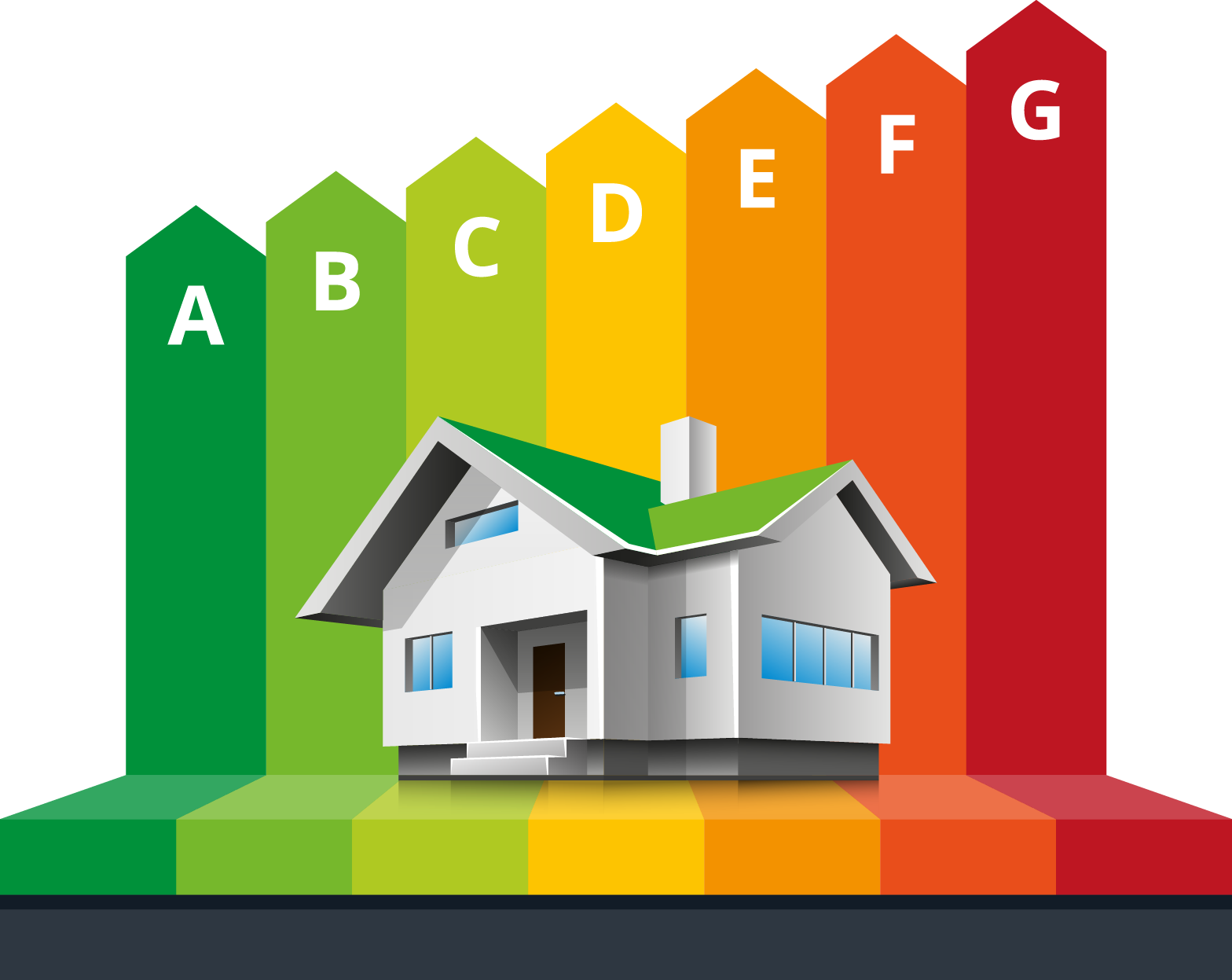

The real estate landscape in Malta has undergone a significant transformation as we move through 2026, with environmental sustainability shifting from a niche interest to a central pillar of the market. Prospective buyers and tenants are no longer just looking at the aesthetic appeal of a property or its proximity to the coast; they are increasingly scrutinized for their environmental footprint and long-term running costs. At the heart of this transition is the Energy Performance Certificate, a document that serves as a transparent benchmark for building efficiency. This certificate provides an essential roadmap for owners to understand how their building consumes energy and where improvements can be made. As energy prices fluctuate and climate awareness grows, the EPC has become a vital tool for making informed financial and ecological decisions in the Maltese archipelago. Whether you are selling a historic townhouse in the Three Cities or renting out a modern apartment in Sliema, navigating these regulations is no longer optional but a fundamental requirement for a successful transaction.
Mandatory Status: Legally required for all sales and new rental agreements in Malta.
Rating System: An A to G scale where A represents maximum efficiency.
Validity: Generally valid for 10 years from the date of issue.
Authority: Regulated by the Building and Construction Authority (BCA).
Financial Impact: Better ratings can significantly reduce monthly energy bills and increase market value.
An Energy Performance Certificate is a standardized document that rates the energy efficiency of a property on a scale from A to G. An ‘A’ rating signifies a building that is highly efficient, often incorporating modern insulation and renewable energy, while a ‘G’ rating indicates a poorly insulated home with high consumption levels. In Malta, this system was introduced to align with EU directives aimed at reducing carbon emissions and improving the sustainability of the built environment. The document takes into account several critical factors, including the quality of wall and roof insulation, the type of windows installed (single vs. double glazing), the efficiency of heating and cooling systems, and the integration of renewable energy sources like photovoltaic panels.
The importance of the EPC goes beyond mere paperwork; it serves as a critical indicator of the potential energy costs associated with a property. In the Mediterranean climate of Malta, where cooling demands in summer can be extreme, a low energy rating often translates to exorbitant electricity costs. By providing a clear, objective assessment, the certificate empowers consumers to compare different properties based on their expected energy consumption. Furthermore, it highlights specific recommendations for energy upgrades that can help homeowners reduce their carbon footprint and save money over the long term. As the market matures, having a high-rated property is becoming a mark of quality and foresight.
When it comes to selling a property in Malta, the legal requirements are unambiguous. An Energy Performance Certificate is absolutely mandatory. This legal obligation stems from the Energy Performance of Buildings Regulations, which mandate that any owner intending to sell must provide a valid certificate to the prospective buyer. In practice, this means the EPC should be commissioned as soon as the property is placed on the market, as real estate agents are technically required to display the energy efficiency rating in their marketing materials. Failing to provide this document can lead to significant delays during the promise of sale (konvenju) stage, as the notary will require it to finalize the deed.
For many sellers, the EPC is seen as a final checklist item, but it is often the document that initiates a deeper conversation about the property value. Buyers in 2026 are increasingly savvy, often using the energy rating as a tool for price negotiation. If a property is rated ‘F’ or ‘G’, a buyer might argue for a price reduction to cover the costs of future renovations needed to make the home more efficient. Therefore, understanding the legal necessity is the first step, but leveraging the certificate to prove the home’s quality is where the real strategic advantage lies. You can find more details on these requirements through this overview of energy performance certificates.
The rules for renting are slightly more nuanced in their application but equally firm in their legal standing. According to Maltese law, any new rental agreement must be accompanied by an Energy Performance Certificate. This applies to both long-term residential leases and short-term holiday lets. While enforcement in the rental sector was historically less stringent than in sales, the Building and Construction Authority (BCA) has significantly increased oversight. Landlords are now required to present the certificate to tenants before the contract is signed, ensuring transparency regarding the energy bills the tenant will likely face. This is particularly relevant for the international community living in Malta, who often prioritize modern, efficient living spaces.
In the competitive rental market, a good EPC rating can be a strong selling point. Tenants are becoming more aware of the total cost of occupation, not just the monthly rent. A property with an ‘A’ or ‘B’ rating will attract more interest because it promises lower energy costs during the scorching summer months. For landlords, maintaining a valid certificate is not just about avoiding fines; it is about demonstrating a commitment to property maintenance and tenant comfort. Even if the current enforcement remains a “grey area” for some, the trend is moving toward total transparency, and professional landlords are already using their energy efficiency credentials to secure premium tenants.
Obtaining an Energy Performance Certificate in Malta is a structured process that begins with finding the right professional. First, the owner must contact a qualified and registered assessor. Once a specialist is engaged, they will perform a physical inspection of the premises. During this visit, the assessor measures the dimensions of the rooms, checks the thickness of walls, inspects the water heating systems, and notes the presence of any air conditioning units or solar panels. It is crucial to provide the assessor with as much documentation as possible, such as original building plans, to ensure the assessment is as accurate as possible. This accuracy is vital because it directly impacts the final energy rating assigned to the building.
Following the site visit, the assessor uses specialized software to calculate the energy performance based on the data collected. This calculation is then submitted to the national portal for registration. Once the BCA approves the submission, the official EPC is issued. This document is usually delivered electronically to the owner. The entire process can take anywhere from a few days to a couple of weeks, depending on the assessor’s availability and the complexity of the property. To understand the full scope of what is required, owners can refer to the official BCA guidelines for detailed information on the certification process.
It is vital to ensure that the individual carrying out the assessment is an accredited Energy Assessor registered in Malta. These professionals are usually architects (periti) or engineers who have undergone specific training to handle energy efficiency evaluations. Choosing a reputable assessor is important because the quality of the report can vary. An experienced assessor will not only provide the certificate but also offer practical advice on how to improve the energy rating. Many owners find it beneficial to read reviews or ask for recommendations to find an assessor who is thorough and communicative. Verification of an assessor’s credentials can be done through the Building and Construction Authority website to ensure the resulting certificate is legally valid.
Preparation is key to a smooth inspection. Owners should gather all relevant paperwork before the assessor arrives. This includes floor plans, details on the type of insulation used in the roof or walls, specifications for double-glazed windows, and invoices for any renewable energy installations. If these documents are missing, the assessor may have to assume the “worst-case scenario” for energy loss, which could result in a lower energy rating than the property actually deserves. During the inspection, every part of the property must be accessible, including roofs where water heaters or PV panels are located. Transparency during this stage prevents delays and ensures the Energy Performance Certificate truly reflects the home’s capabilities.
The cost of obtaining an EPC in Malta is generally determined by the size and type of the property. For a standard two-bedroom apartment, prices usually range between €150 and €300. Larger villas or commercial buildings will naturally command higher fees due to the complexity of the assessment. These fees usually cover the assessor’s site visit, the calculation work, and the registration fee paid to the BCA. It is often a good idea to get multiple quotes to ensure competitive pricing, although the cheapest option might not always provide the most detailed advice on energy savings. Investing in a quality assessment can pay for itself if the assessor identifies simple energy upgrades that boost the property value.
Property Type | Estimated Cost (approx.) | Validity Period |
|---|---|---|
Standard Apartment | €150 – €250 | 10 Years |
Terraced House / Villa | €300 – €500 | 10 Years |
Commercial Unit | €400+ (Size dependent) | 10 Years |
An Energy Performance Certificate in Malta is typically valid for 10 years. However, this validity is contingent on the property remaining in its assessed state. if an owner carries out significant renovations—such as replacing all windows, adding an extra floor, or installing a large photovoltaic system—the existing certificate becomes obsolete. In such cases, a new assessment is highly recommended to reflect the improved energy efficiency of the home. Keeping the certificate up to date is a sign of a proactive owner and ensures that the property remains competitive on the market. For more information on validity, you can check this comprehensive EPC guide.
Ignoring the requirement for an Energy Performance Certificate can lead to serious legal and financial repercussions in Malta. The law empowers the BCA to issue administrative fines to owners who fail to produce a certificate upon request during a sale or rental transaction. These fines can range significantly, sometimes reaching up to €5,000 for repeated non-compliance or major commercial infractions. Beyond the direct fines, the absence of an EPC can cause a notary to halt the signing of a final deed of sale. This delay can lead to the collapse of a property chain, resulting in potential breach of contract lawsuits and the loss of deposits.
In the rental market, while enforcement was once sporadic, the integration of property registries with energy databases has made it easier for authorities to spot missing certificates. Landlords found without an EPC may face challenges in registering their lease agreements with the Housing Authority, which is a prerequisite for many legal protections. For a landlord, the risk of a fine far outweighs the relatively small cost of obtaining the certificate. Compliance is simply the most professional and cost-effective path. For those looking for more clarity, explaining the Maltese EPC can provide further legal context.
In 2026, the energy rating of a home is a major factor in its marketability. A property with a poor rating is often perceived as a “hidden cost” by buyers and renters alike. For instance, an apartment in Sliema with high ceilings and no insulation might look beautiful, but a savvy buyer will realize that keeping it cool in July will lead to massive energy bills. This awareness has created a “green premium,” where properties with high energy efficiency sell faster and often at a higher price point. Conversely, “G-rated” properties may linger on the market, eventually requiring price cuts to attract interest from investors who factor in the cost of future energy upgrades.
The psychological impact on a buyer seeing a low rating cannot be underestimated. It signals that the property might have been poorly maintained or built using outdated standards. In a market where buyers have choices, they will naturally gravitate toward the home that offers lower running costs and better living comfort. Renters, especially those from Northern Europe who are accustomed to high efficiency standards, will often ask for the Energy Performance Certificate upfront. Being able to provide a high-rated certificate is a powerful marketing tool that sets a property apart from the competition. Insight into these market trends can be found in this international owner’s guide.
The introduction of the Energy Performance Certificate has served as a catalyst for a broader cultural shift regarding sustainability in Malta. Before these regulations, many homeowners were unaware of how much heat was lost through a non-insulated roof or how much energy was wasted by an old water heater. The detailed recommendations included in the EPC have educated the public on the tangible benefits of energy efficiency. As more people see the direct correlation between their energy rating and their monthly expenses, there is a growing demand for “green” building materials and renewable energy technologies across the islands.
This awareness is further bolstered by EU-wide targets for carbon neutrality. Malta is working toward these goals by encouraging the retrofitting of older buildings. The EPC acts as a baseline measurement for these efforts. It allows the government and individual homeowners to track progress over time. By turning energy efficiency into a measurable metric, the certificate has moved the conversation from abstract environmentalism to practical, everyday savings and property value. This shift is essential for the long-term resilience of the Maltese real estate market in the face of global climate challenges.
If you are planning to sell or rent your property, it is wise to consider some energy upgrades before calling the assessor. Simple changes can significantly boost your energy rating. For example, replacing old incandescent bulbs with LEDs is one of the cheapest ways to improve efficiency. More impactful measures include installing roof insulation—a must in Malta to combat the summer heat—or replacing single-pane windows with double glazing. If your budget allows, adding a solar water heater or photovoltaic panels can move a property from a mediocre rating to an excellent one, drastically reducing future energy costs for the occupants.
Here are some common improvements to consider:
Insulation: Adding 50mm to 100mm of roof insulation can reduce heat gain by up to 70%.
Apertures: Upgrading to thermal-break aluminum or PVC windows with double glazing.
Water Heating: Switching to a solar water heater or a high-efficiency heat pump.
Renewables: Installing PV panels to offset energy consumption and improve the rating.
Cooling: Ensuring air conditioning units have a high SEER (Seasonal Energy Efficiency Ratio) rating.
By making these changes beforehand, you ensure that the Energy Performance Certificate reflects a modern, efficient home, which can be a decisive factor for many buyers.
Timing is everything when it comes to certification. You should ideally obtain the EPC before you even list the property. This allows you to include the rating in your advertisements, which is a legal requirement and a sign of transparency. If your certificate is nearing its 10-year expiration, renew it early to avoid any last-minute hurdles during a sale. Furthermore, if you have recently completed significant works—such as a kitchen renovation that included new, energy-efficient appliances or the installation of a new AC system—it is worth getting a new certificate even if the old one hasn’t expired. A fresh, higher energy rating is a much stronger selling point than an old, lower one.
Don’t treat the EPC as just another bureaucratic hurdle. Instead, use it as a centerpiece of your marketing strategy. Highlight the “A” or “B” rating in your brochures and social media posts. Explain to potential buyers what this means in terms of actual energy savings. For instance, you could provide redacted copies of recent energy bills to prove how efficient the home really is. In Malta, where many older properties suffer from damp and high electricity costs, a certified efficient home is a rare and valuable find. By being proactive and transparent with your energy efficiency credentials, you build trust and position your property as a premium offering in a crowded market.